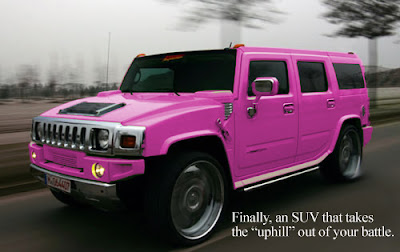


Intern Sweatshop: 'Pink' is the new black...for advertisers
 Ever since October became National Breast Cancer Awareness Month in 1985, pink ribbons and pink merchandise have taken over this festive fall month. It’s normal to see pink yogurt tops and pink ribbons on water bottles. Even the NFL ran a campaign this month called “A Crucial Catch” to support breast cancer screening. Games featured players, coaches and referees sporting pink gloves, hats and cleats. (We appreciate the sentiment Steelers, but mustard yellow so clashes with carnation.)
This year, however, the “pink” campaigns promoted by alcoholic beverage companies like Mike’s Hard Lemonade and Chambord, have stirred up some controversy (pun intended).
Chambord has started a campaign called “Pink Your Drink,” saying that by adding Chambord to your favorite cocktails you are supporting the breast cancer cause. Chambord has contributed a total of $50,000 to the Breast Cancer Network of Strength, and is donating $15,000 this month.
Mike’s, who has once again released their seasonal Hard Pink Lemonade, has been contributing to the Breast Cancer Research Foundation for years and donated more than $500,000 over the past two. Also, Jacqueline S., a member of their team since they were founded, passed away from breast cancer. So not only, are they donating money to a good cause, they are donating to a cause that means something to them as a company.
But breast cancer survivors are angry these companies are using these “pink” campaigns to market their alcohol products. Studies have shown even moderate consumption of alcohol heightens your risk of developing cancer, especially in women. So advocates of cancer research aren’t exactly pleased with companies selling something that can contribute to cancer risks.
Breast Cancer Action, a non-profit group, calls this “pink-washing”--when a company raises money for a cause, while also marketing a product that negatively impacts the cause.
And this isn’t the first time a company has been accused of pink-washing.
For 13 years, BMW has partnered with the Susan G. Komen Foundation. They donate 80% of the retail sale price to Komen for every item purchased from the BMW Pink Ribbon Collection of apparel and lifestyle merchandise. But the Breast Cancer Action group took issue with this, because the exhaust given off by cars contributes to cancer risks. Also, makeup companies like L’Oreal were forced to change the ingredients in some of their products, because the makeup contained harmful toxic chemicals linked to cancer.
Interestingly enough, Coca-Cola is a current sponsor of the Breast Cancer Foundation, and there have been studies questioning whether or not the sweetening agent in Diet Coke, aspartame, contributes to cancer. But I’ve found little evidence of cancer survivors calling for boycotts of their soft drinks.
Now Breast Cancer Action is only one group, but the issue really becomes one of: Do breast cancer survivors, families of victims, and those fighting for breast cancer awareness want what they may see as "blood money" from these particular corporations? And that's a really tough question.
Now one must consider that breast cancer awareness has has been spreading like wild fire for years, and while I am all for the pink explosion of awareness that takes place in October, at this point in time, you have to admit people are pretty aware. The task of promoting awareness has been done amazingly. And now it's more research and and more funding to support that research that what will find the answers and possible cures. And that's the end goal, right? A cure.
Of course we should never stop raising awareness, but should we call out these companies for doing the right thing, even though we think their product might be wrong? Again, that's a difficult question. I realize I'm not going to convince someone if they've already made up their mind on this subject, but the way I see it, the money raised from marketing these very specific products, which is then donated directly to research foundations, is money that may actually help find out more about breast cancer. Wearing a pink shirt and raising awareness shouldn't stop, but Mike's is showing a commitment to helping find a cure. Why would we want to stop them?

Mike’s Hard Lemonade gets an A+ in my book for smart marketing, because they have shown that as a company they support a good cause not just for the sales benefits. In fact, they note on their website that the money has already been donated. So whether you buy Mike's or not doesn't change how much the give. In all honesty, if someone is in a liquor store, they already made the decision to buy alcohol. Mike's is simply showing people that Mike's support this cause, and if a customer decides that aligns with his or her personal philosophies, then that costumer might want to support Mike's too.
Also, Mike's offers their Pink Lemonade as a seasonal drink, unlike Chambord who uses their campaign year round. While I think it’s nice that Chambord is recognizing the cause, I'm not sure they're doing it the right way. One, they haven't donated nearly the amount Mikes' has, but I'm okay with that because any donation is a good donation. But two, it's seems more of a campaign for convenience, because, well...Chambord happens to be pink. So to me, this campaign looks like it's more for recognition than for just supporting a good cause.
Mike’s Hard Lemonade has raised a lot of money and can continue to raise contributions if they don’t get shunned by people who don't look deeper into the issue. Breast Cancer organizations make a valid point that they don’t want to look like they are partnered with companies selling products that are actually hurting the cause, but these companies seem to genuinely care about the cause and are willing to contribute a lot of money to support and fund research.
Yes, cause marketing can be about exploitation and selling stuff, but in this case, it may someday save lives. Organizations should follow the example of Mike's Hard Lemonade and the Breast Cancer Research Foundation to show how companies and organizations with seemingly opposed ideologies can work together and do something. In the case of breast cancer, it’s important to remember what we are all fighting for: a cure.
--Lisa Lucantoni, Boobie-Saving Creative Department Intern
Once again, the interns are coming up with their own clever nicknames. Just wanted to make sure everyone knew that.
Read more...


 I personally like this campaign and the organization’s approach to capturing attention. With these innovative headlines and strategically centered images, Komen Maryland is driving the point home that breast cancer support is the most important thing to beating this horrible disease.
 So I bought a pink can of Campbell’s cream of mushroom soup the other day. See, the can is pink because—like companies all over the country—Campbell’s has seen the potential for good karma by colorizing its products to promote breast cancer awareness and research. And, as some marketers have shown, the revenues from going pink aren’t bad either.