The basic equation for a successful Web endorsement is simple: multiply word-of-mouth marketing effects with the extensive reach of the Internet. Thank you, social media.
For the first time since 1980, the Federal Trade Commission has updated their Guides Concerning the Use of Endorsements and Testimonials, putting the actions of bloggers and vloggers in the spotlight. The main focus of the October 2009 revision is that the relationship between a marketer and blogger must be disclosed, especially if material connections exist. Basically, if a blogger is being compensated in any way (gifts, money, etc.) for the mention of a particular product, this information must be disclosed to their audience.
The new laws have left vloggers on YouTube in the center of the end orsement controversy. Cosmetics companies and clothing retailers, as well as bath and body product manufacturers have been using YouTube to tap into their younger markets with their vlogging peers. It used to work like this: a YouTube “beauty guru” would receive free products and provide a positive review without disclosing their compensation. Information about where viewers could purchase the product would then be provided in the information bar of the video. Genius.
A vlog is way more effective than a commercial to reach this audience on many levels. Young women are actively seeking out this information; it’s different from being bombarded with commercials in the middle of Gossip Girl. They are viewing a positive product review and learning how to use the product, broadcasted from the bedroom of a girl who has a lot of really trendy stuff. Some of these videos are even more than ten minutes long, forget the thirty second spot.
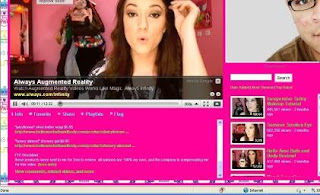 Perhaps the most crucial element of this marketing scheme is the perception of credibility to this audience. Credibility seems to be based on the number of subscribers rather than accreditations or experience. Some of these users currently have more than 300,000 subscribers and are partnered with YouTube, making money off advertisements in addition to companies that sponsor them. With agents, lawyers, and spreads in magazines, YouTube super users may soon even fall into the category of celebrity endorsers. But isn’t that how it works in high school? The girl with the most friends always has the most influence, right?
The FTC policy has rocked the credibility of these “gurus,” and these ladies have had to bat their eyelashes even harder to regain the trust of their viewers. Vlogs have now been accompanied by a cutesy little note to the FTC for regulation compliance.  This text ensures that regardless of compensation – their opinion is honest. They go a little something like this: “Some products I bought with my own money, some were given to me at NYC fashion week, and some were sent to complete this look. NYX Cosmetics is compensating me for this video and it is my own opinion.” Or in other words, Yeah, so I got this lipstick for free. I am really raving about it because, well, I am getting paid to talk about it. Honestly, I swear!
The FTC’s current policy is that each decision regarding misleading endorsements and testimonials will be decided upon on a case-by-case basis. Well, that’s a bit blurry. Sounds like a way to scare and protect minors at the same time to me. They seem to be the majority offenders. I imagine the legalities of a retailer entering into a material relationship with a minor may become complicated beyond the limits of the FTC. However, the FTC needed to do something about this, so I guess writing up some rules that may never have consequences was the solution. Let’s be real, the FTC doesn’t have time to launch an investigation on the thousands of bloggers and vloggers supporting products and brands.
 In April 2010, the FTC conducted its first investigation based on these laws when Ann Taylor Loft hosted a preview of their summer collection for bloggers. The issue: bloggers who posted coverage of the event on their blogs would be entered into a gift card drawing and given a special gift. The concern of the FTC was the lack of disclosure regarding compensation for coverage. Ultimately, action was not taken against Ann Taylor Loft. Surprise, surprise.
The entire situation speaks to the closer eye the FTC has been keeping on the blogosphere. No one can deny the dynamic social media has added to advertising. It enables marketers to reach selective audiences and is extremely personal. The draw to bloggers and vloggers is their authenticity, but authenticity is put into serious question when they are being gifted and paid for their positive opinions.
And by the way, I was not compensated for this blog post and these are my honest opinions. Renegade is the best place I have ever worked, thanks for the three credits guys ♥!
If you are interested, the text of the FTC’s Guides Concerning the Use of Endorsements and Testomonials can be viewed here. Want to check out these videos in action? Just click on the “How To & Style” tab on YouTube.com.
Ashly Oehrl, Web-wise Creative Department Intern
Read more...